
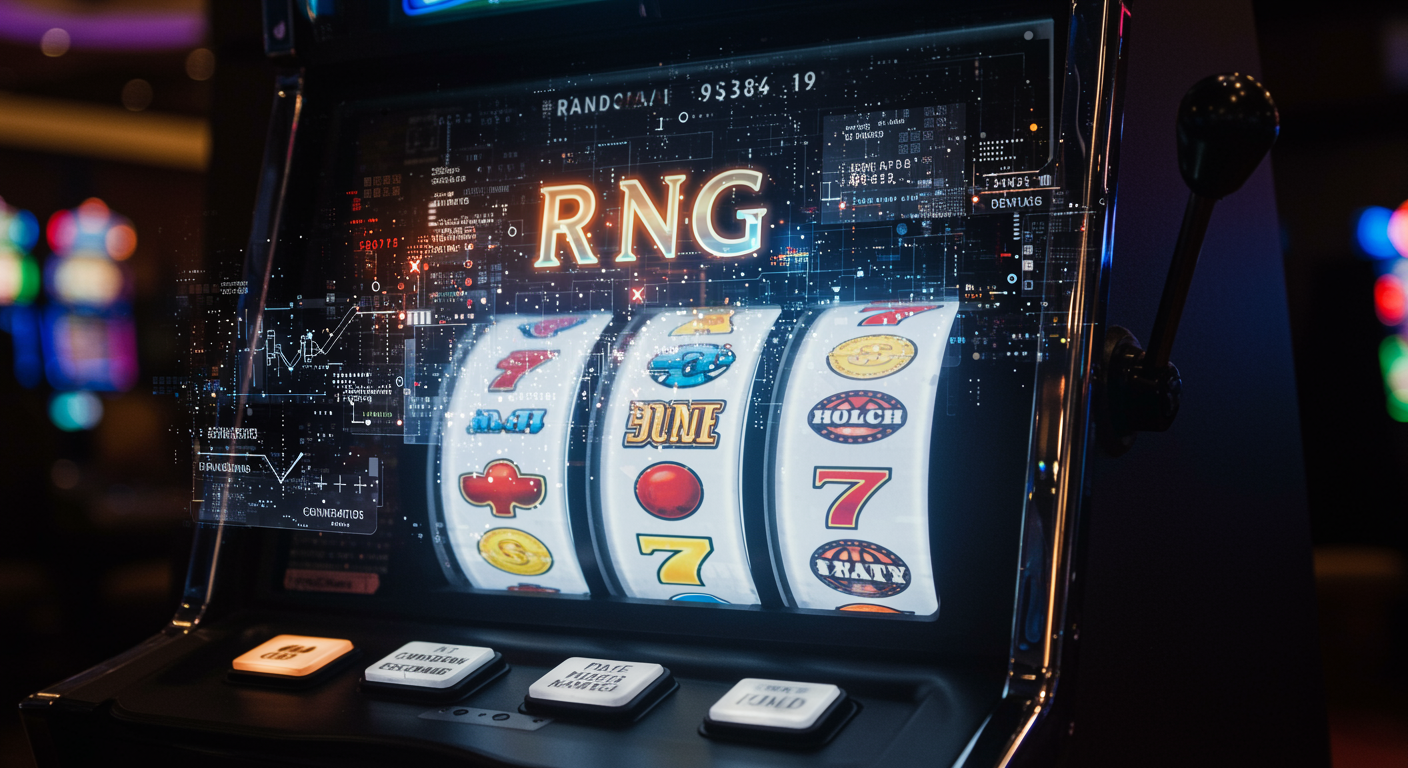
Random Number Generators (RNGs) form the backbone of fair gaming in South African casinos, ensuring that every spin, deal, and draw is genuinely unpredictable. These sophisticated algorithms create the mathematical foundation that transforms casino gaming from potential manipulation into legitimate entertainment, where outcomes cannot be predicted or influenced by external factors.
The importance of fairness in South African casinos cannot be overstated, as it directly impacts player trust, regulatory compliance, and the overall integrity of the gaming industry. RNGs serve as the invisible guardians of casino fairness, working continuously behind the scenes to guarantee that each player has an equal opportunity to win, regardless of previous outcomes or external circumstances.
What are RNGs and Their Role in Casinos?
Random Number Generators are complex mathematical algorithms designed to produce sequences of numbers that appear completely random and unpredictable. In casino environments, these systems replace the natural randomness found in physical games, such as the tumbling of dice or the shuffling of cards, with digital equivalents that maintain the same level of unpredictability while offering enhanced speed and consistency.
The fundamental importance of RNGs in gaming extends far beyond simple number generation. These systems ensure that every game outcome is independent of previous results, eliminating patterns that could be exploited by players or manipulated by operators. In South African casinos, RNGs power everything from slot machines and video poker to electronic table games, creating millions of random outcomes daily.
Modern casino RNGs operate at extraordinary speeds, generating thousands of random numbers per second even when games are not being played. This continuous operation ensures that the exact moment a player initiates a game corresponds to a truly random number, making it impossible to time or predict outcomes based on when a game is started.
How RNGs Ensure Unpredictability
The mechanics of RNGs rely on complex mathematical formulas that use seed values to generate sequences of numbers that pass rigorous statistical tests for randomness. These algorithms typically employ linear congruential generators or more advanced methods like the Mersenne Twister, which produces exceptionally long periods before any sequence repetition occurs.
South African casinos implement additional layers of unpredictability by frequently reseeding their RNG systems using external entropy sources such as atmospheric noise, mouse movements, or keystroke timings. This approach prevents any potential predictability that might arise from purely mathematical sequences, ensuring that even the most sophisticated analysis cannot determine future outcomes.
The unpredictability factor is further enhanced through cryptographic hashing techniques that scramble the generated numbers before they are applied to game outcomes. This process creates an additional barrier against potential manipulation while maintaining the statistical properties required for fair gaming, making it virtually impossible for anyone to predict or influence results.
Pseudo-Random vs. True Random Number Generators
Pseudo-Random Number Generators (PRNGs) use deterministic mathematical algorithms to produce sequences that appear random but are actually calculated from initial seed values. While these generators can theoretically be predicted if the algorithm and seed are known, properly implemented PRNGs with sufficient complexity and regular reseeding provide adequate randomness for casino gaming purposes.
True Random Number Generators (TRNGs) derive their randomness from physical phenomena such as electronic noise, radioactive decay, or atmospheric conditions, creating genuinely unpredictable sequences. Some premium South African casinos incorporate hybrid systems that combine the speed and reliability of PRNGs with the true randomness of TRNGs, offering the highest possible level of unpredictability for their most discerning players.
Ensuring Fairness in SA Casinos with RNGs
South African casinos implement comprehensive fairness measures through rigorous RNG certification processes and continuous monitoring systems. These establishments work closely with internationally recognized testing laboratories to verify that their random number generation systems meet the strictest standards for statistical randomness and operational integrity.
The certification process involves extensive testing of RNG algorithms, including analysis of number distribution, sequence independence, and long-term statistical behavior. South African casinos must demonstrate that their systems produce results that are statistically indistinguishable from truly random events, with no detectable patterns or biases that could advantage either the house or players unfairly.
- Independent Third-Party Auditing: Regular assessments by certified testing laboratories ensure ongoing compliance with randomness standards
- Continuous System Monitoring: Real-time analysis of RNG output identifies any deviations from expected statistical patterns
- Secure Key Management: Protected storage and regular rotation of cryptographic keys prevent unauthorized access to RNG systems
- Statistical Reporting: Detailed documentation of RNG performance provides transparency for regulatory review
- Backup System Redundancy: Multiple RNG systems ensure continuous fair gaming even during primary system maintenance
- Player Verification Options: Some casinos provide players with access to game history and statistical summaries for personal verification
Regulatory Bodies and Their Role
The National Gambling Board of South Africa oversees casino operations and mandates strict compliance with RNG standards, working in conjunction with provincial gambling boards to ensure consistent application of fairness requirements across all licensed establishments. These regulatory bodies require casinos to submit detailed technical documentation of their RNG systems and undergo regular compliance audits.
Provincial regulators in regions such as Gauteng, Western Cape, and KwaZulu-Natal maintain their own specific requirements for RNG certification and ongoing monitoring. These bodies collaborate with international testing laboratories like Gaming Laboratories International (GLI) and Technical Systems Testing (TST) to verify that South African casinos meet global standards for gaming fairness.
The regulatory framework also includes provisions for player protection, requiring casinos to maintain detailed logs of all RNG activities and provide access to dispute resolution processes when players question game outcomes. This comprehensive oversight ensures that RNG systems not only function correctly but also remain transparent and accountable to both regulators and the gaming public.
How SA Casinos Implement RNGs
South African casinos employ sophisticated technical infrastructure to implement RNG systems that meet both local regulatory requirements and international best practices. These implementations typically involve dedicated hardware security modules that provide tamper-resistant environments for random number generation, ensuring that the core algorithms remain protected from external interference or unauthorized modification.
The technical setup process begins with the installation of certified RNG software on secure servers, followed by integration with gaming systems through encrypted communication channels. Leading South African establishments like Sun International and Tsogo Sun Gaming implement multi-layered security protocols that include regular system integrity checks, automated backup procedures, and continuous monitoring of RNG performance metrics.
| Feature | Description | Benefit |
|---|---|---|
| Hardware Security Modules | Tamper-resistant devices that generate and store cryptographic keys | Prevents unauthorized access and ensures RNG integrity |
| Entropy Harvesting Systems | Collection of random data from environmental noise sources | Enhances unpredictability beyond mathematical algorithms |
| Real-time Monitoring | Continuous analysis of RNG output patterns and performance | Immediate detection of anomalies or system failures |
| Encrypted Communication | Secure transmission of random numbers to gaming devices | Protects against interception and manipulation during data transfer |
| Automated Testing Suites | Software tools that verify statistical randomness properties | Ensures ongoing compliance with fairness standards |
| Backup Generation Systems | Secondary RNG systems that activate during primary system maintenance | Maintains fair gaming operations without interruption |
Casino operators collaborate closely with specialized vendors who provide turnkey RNG solutions designed specifically for the South African market. These partnerships ensure that implemented systems not only meet current regulatory requirements but also incorporate flexibility for future compliance updates and technological advances in random number generation.
Advanced Integration Techniques
Modern South African casinos implement RNG systems through sophisticated integration techniques that seamlessly connect random number generation with game logic, player interfaces, and regulatory reporting systems. These integrations utilize application programming interfaces (APIs) that allow real-time communication between RNG hardware and gaming software while maintaining strict security protocols that prevent unauthorized access or tampering.
Benefits of RNGs in SA Casinos
The implementation of robust RNG systems provides substantial advantages for both players and casino operators in South Africa’s competitive gaming market. These benefits extend beyond basic fairness requirements to encompass enhanced player confidence, operational efficiency, and regulatory compliance that supports the long-term sustainability of the casino industry.
Player advantages from properly implemented RNG systems include guaranteed fair gaming experiences, protection against manipulation, and access to games with consistent mathematical odds. For casino operators, RNG systems provide operational benefits such as reduced maintenance costs compared to mechanical systems, faster game play, and comprehensive audit trails that simplify regulatory compliance.
- Establishing Unshakeable Player Trust: Certified RNG systems demonstrate casino commitment to fairness, creating confidence that encourages repeat visits and positive word-of-mouth recommendations among the gaming community.
- Ensuring Regulatory Compliance: Properly implemented RNG systems automatically satisfy legal requirements for fair gaming, reducing the risk of penalties and supporting license renewal processes with regulatory authorities.
- Enabling Rapid Game Development: Standardized RNG systems allow casinos to quickly deploy new games and variations without extensive testing periods, keeping their gaming floors fresh and exciting for players.
- Providing Comprehensive Audit Capabilities: Detailed logging of all RNG activities creates transparent documentation that supports both internal analysis and external regulatory reviews, protecting casinos from unfounded accusations of unfair play.
- Supporting International Gaming Standards: RNG systems certified to international standards position South African casinos as world-class destinations, attracting international visitors and supporting the country’s tourism industry.
Long-term Industry Impact
The widespread adoption of certified RNG systems has transformed South Africa’s casino industry by establishing a foundation of trust that supports sustainable growth and international recognition. This technological infrastructure enables South African casinos to compete globally while maintaining the highest standards of integrity and fairness that benefit both operators and players in the evolving gaming landscape.